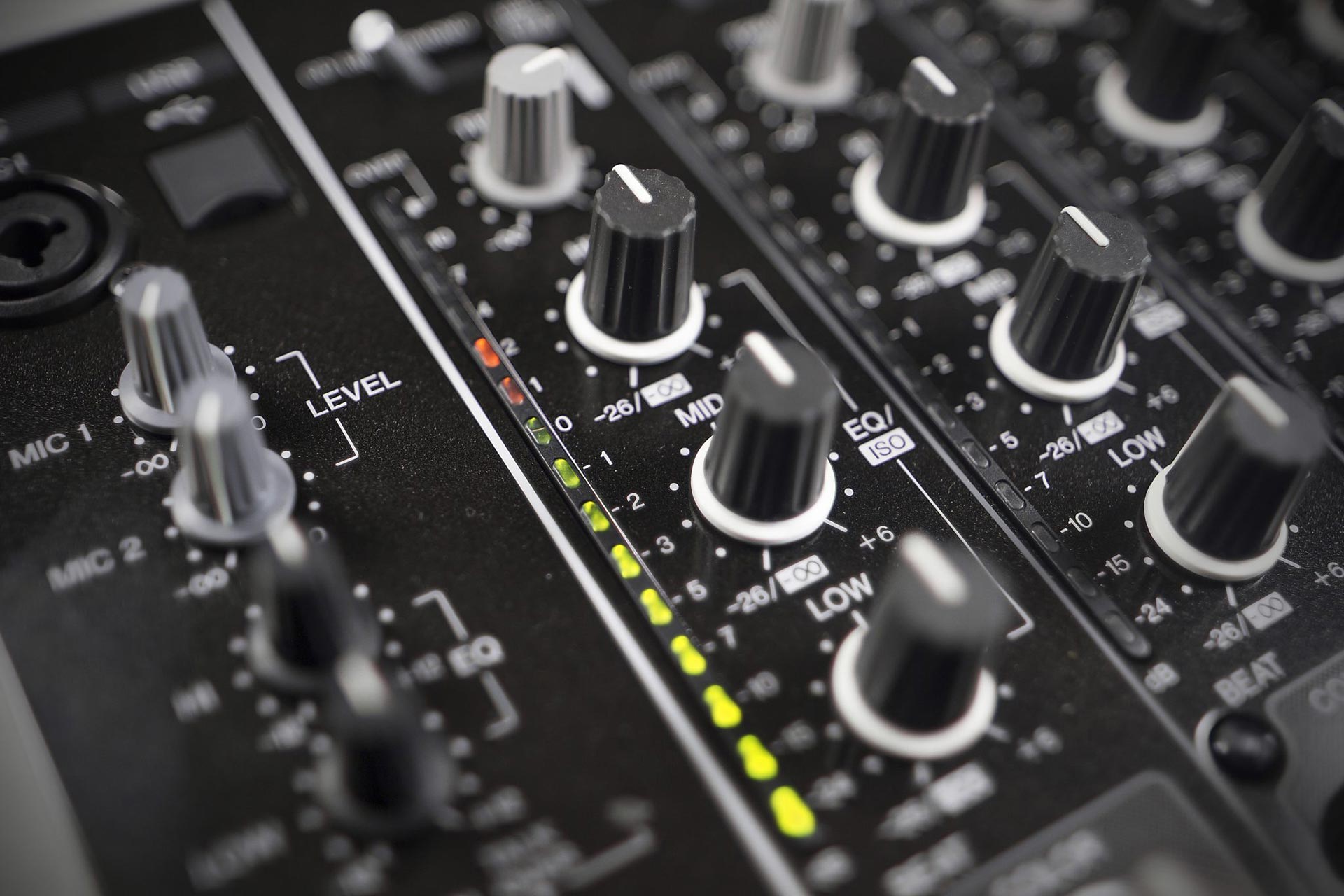
- Concept of EQ (dominant track, producer made straight up, cinderella)
- Bass all the way vs warmer controlled
- Highs - solves harshness
- past midnight - vocals, mash up on fly
- Iso vs EQ
https://youtube.com/shorts/BLIjq4njXv8?feature=share
Concept of EQ (Dominant Track, Producer Made Straight Up, Cinderella)
Firstly for those new to DJIng, the EQ controls the different frequencies within each track. Straight up is how the song comes recorded, so if you're playing a track on its own, I'd leave all the EQ straight up, it's only when you're playing both tracks together that you need to adjust the EQ's to help the tracks compliment each other. It's very common to reduce the EQ for the incoming track, which essentially makes the track feel thinner, so when you bring up the volume your new track sits in the background and then when you're ready to make your new track dominant, you work in the EQ of your new track whilst simultaneously reducing the EQ of your exiting track.
At first I suggest thinking of the EQ like Cinderella, she doesn't go out past midnight so I suggest reducing the EQ and then returning them to midnight by the end of your transition so your new track is played how the artist intended.
https://youtube.com/shorts/22oHMp8EbsM?feature=share
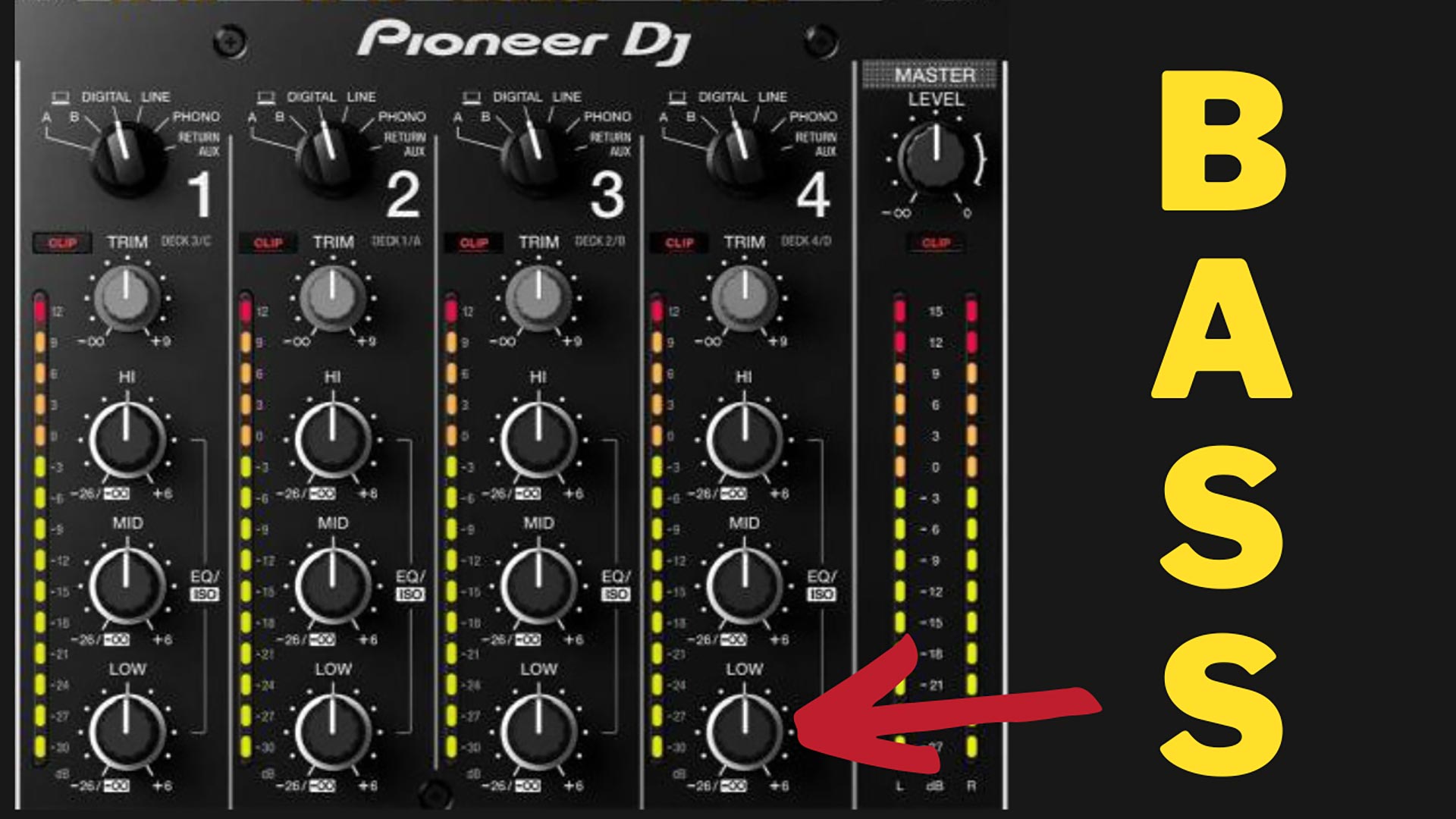
DJ EQ Series: Bass All The Way Vs Warmer Controlled
Bass swapping is the most common EQ technique of all time and for many bass swapping is the only EQ technique they use. The concept is you reduce the bass of your incoming track so when you introduce it, your new track is thinner and sits in the back ground and then when you're ready to make your new track dominant you swap the basses. I like to think about bass swapping like this, it simply controls the dominant track in the mix. Once you swap the basses there's no going back, it's like a decision to make your new track dominant.
https://youtube.com/shorts/kxSXddfIEl0?feature=share
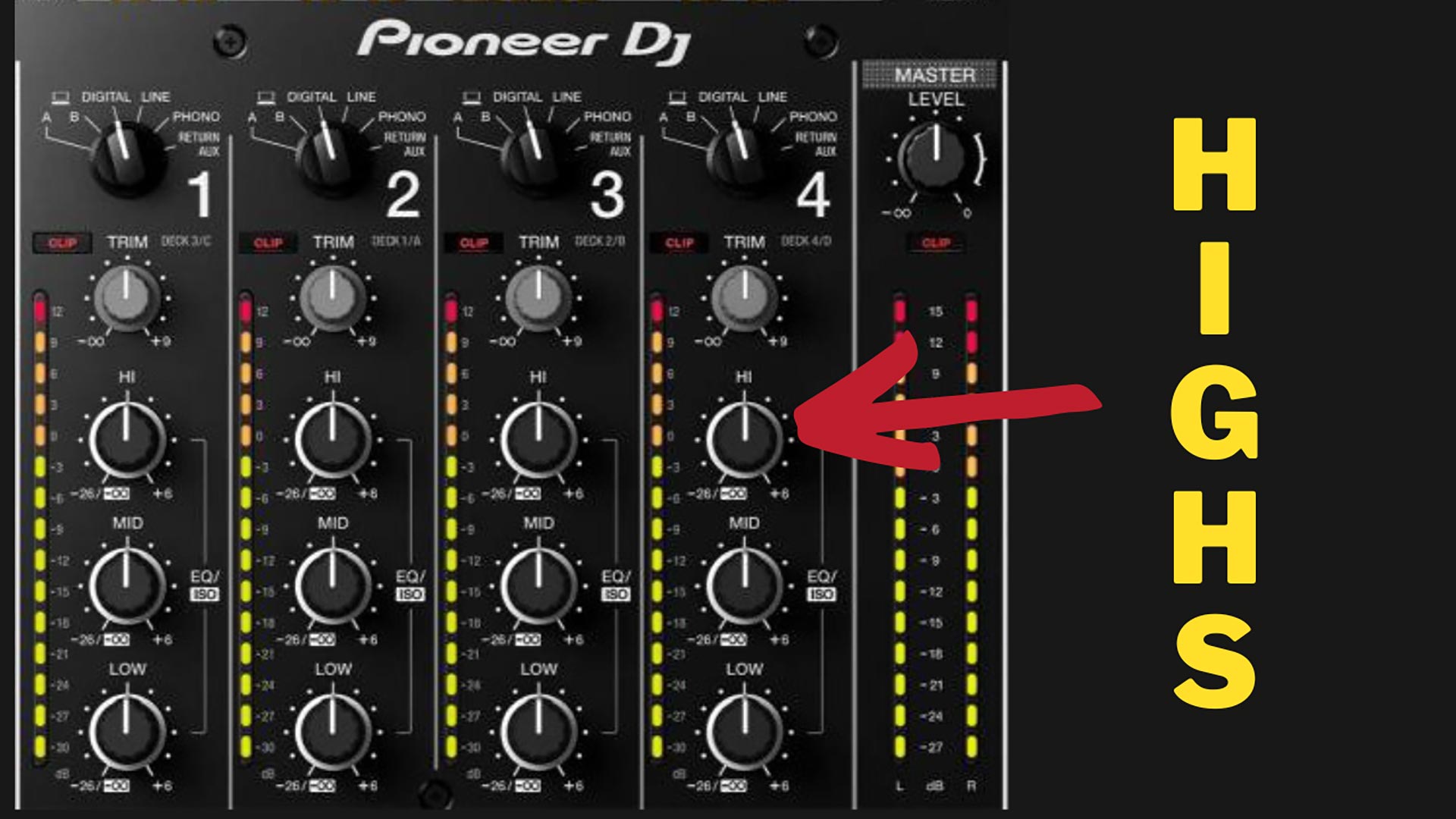
DJ EQ Series: You Wanna Get High!
The highs on the EQ I feel are massively underrated when it comes to EQ mixing. Put it this way have you ever gone to do a mix and you bring the volume up and it sounds harsh, even aggressive?! well that's usually the high frequencies. By reducing the highs before introducing your new track, you can essentially soften your transition and then when you bring the highs in you get a controlled boost, it's f'n awesome!
https://youtube.com/shorts/3fxds8pOuik?feature=share
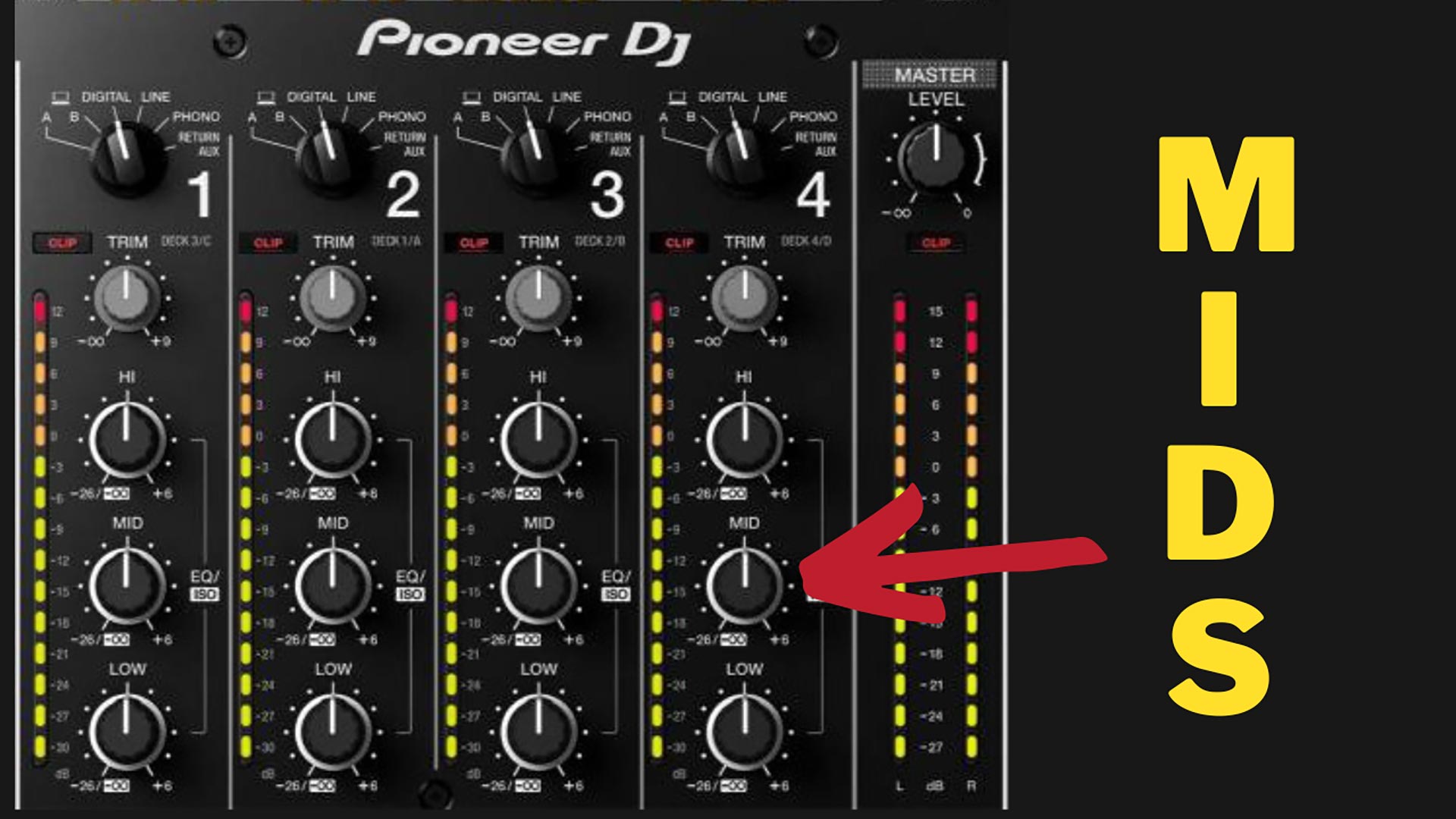
DJ EQ Series: The Personality Of The Track
The mids on the EQ are responsible for the vocals and the melodies, I like to call it for the sake of teaching, the tracks personality. Out of the mids, highs and bass, the mid is the only EQ I ever really turn past midnight and this is awesome if you want to create your own acapellas on the fly, i'll show you.
https://youtube.com/shorts/hpCeV0RJgQ4?feature=share
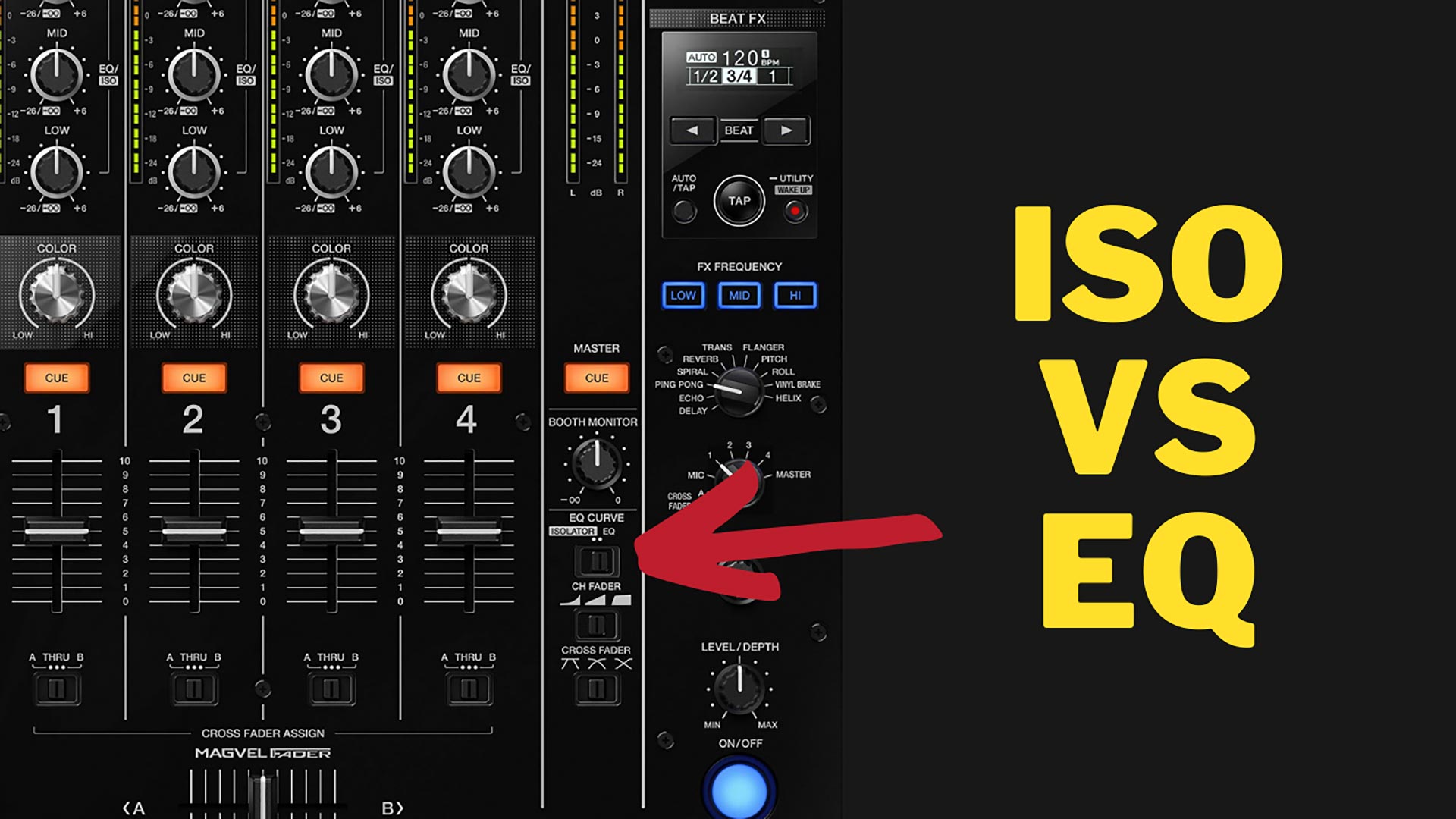
DJ EQ Series: ISO VS STANDARD EQ
People ask do I use ISO or standard EQ and it depends on the genre I am playing. Firstly ISO is way more aggressive than standard EQ and isolates the frequencies which means the EQ becomes much more sensitive and you get more control. I find ISO is awesome when playing techno, where I may have 2 tracks playing for a length of time and I want to isolate certain frequencies from each track, for instance perhaps I want the melody from this track but the bass and highs of this track. However for genres that are more focused on playing the best parts of each song I find standard EQ is way more forgiving, and I feel a little warmer, and is generally what I gravitate towards. May I ask, what do you use?
Related Posts

The best DJs dig in the same places as everyone else — they just go deeper. Here's exactly how I find underground music on Volumo, SoundCloud, Beatport and beyond, so you play tracks nobody else has.
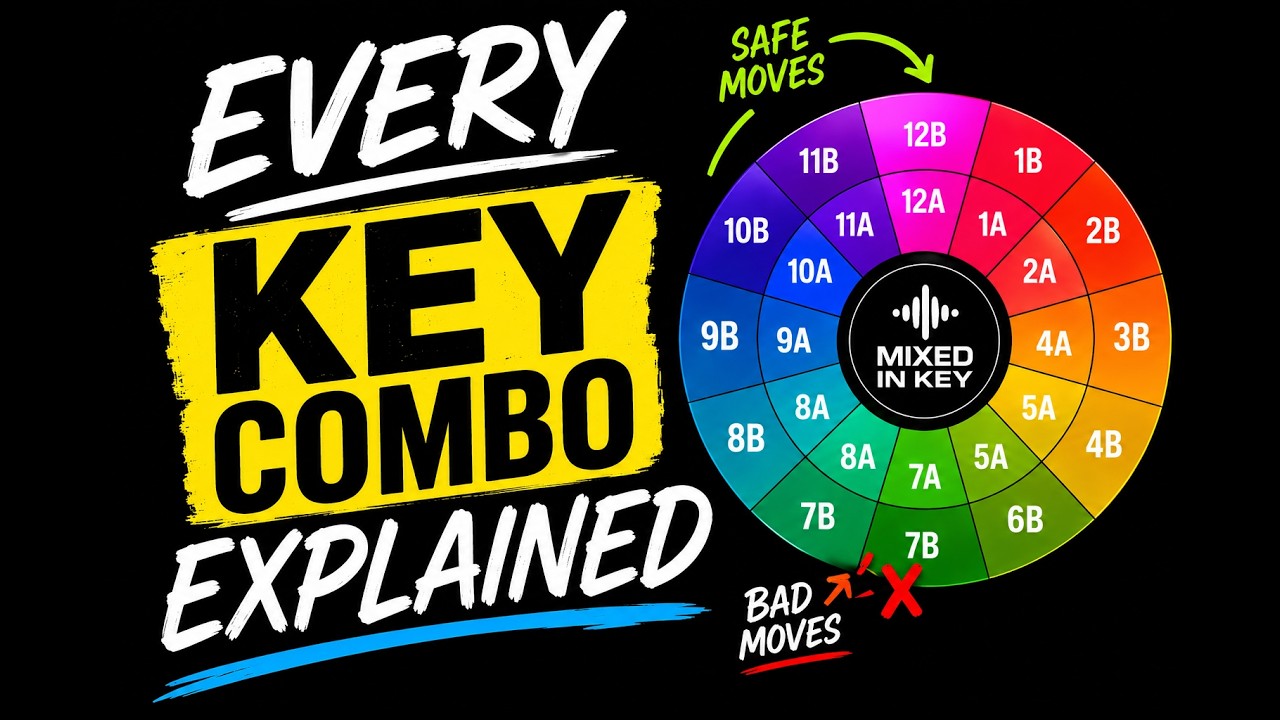
If you've ever watched a DJ tutorial, used Mixed In Key, or opened Rekordbox and noticed those strange numbers like 8A, 9A, and 5B next to your tracks, you've probably wondered...

In the first video at the top of the page I demonstrate different ways to mix Afro House, including where to mix, how long to play both tracks together...

Are you sick of some of your mixes sounding great and others sounding bad? In this video I'll give you 5 tips on where you can mix in your new track to make certain your transitions sound natural and effortless every single time.